
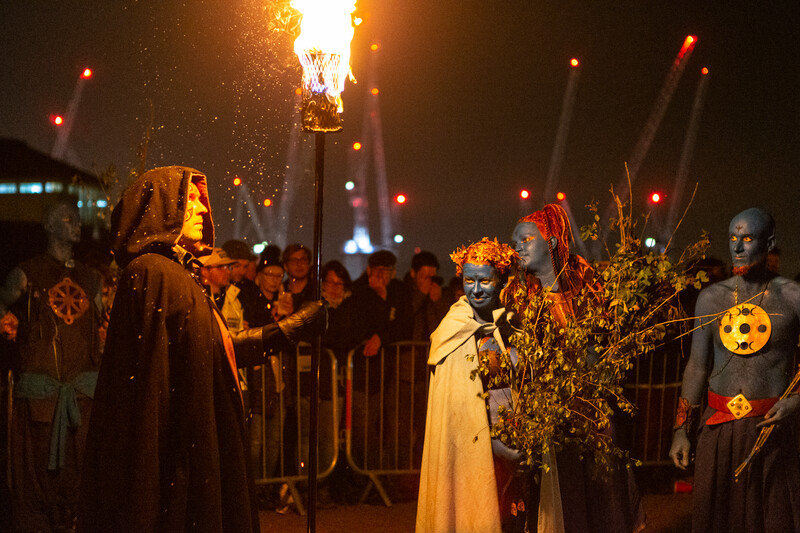
Beltane marks the point in the Wheel of the Year when we celebrate unity, the fertility of our bonds with Nature, and bountiful harvests.
Traditionally celebrated with bonfires and maypoles adorned with ribbons, this gathering symbolizes the return of the Sun and the union of masculine and feminine energies.
We invite you to celebrate with us on May 2 and 3 at Fonte Velha in Canha, the abundance, joy, and magic of this season of blossoming, and the 3rd anniversary of Majalis.
Contents
Galeria
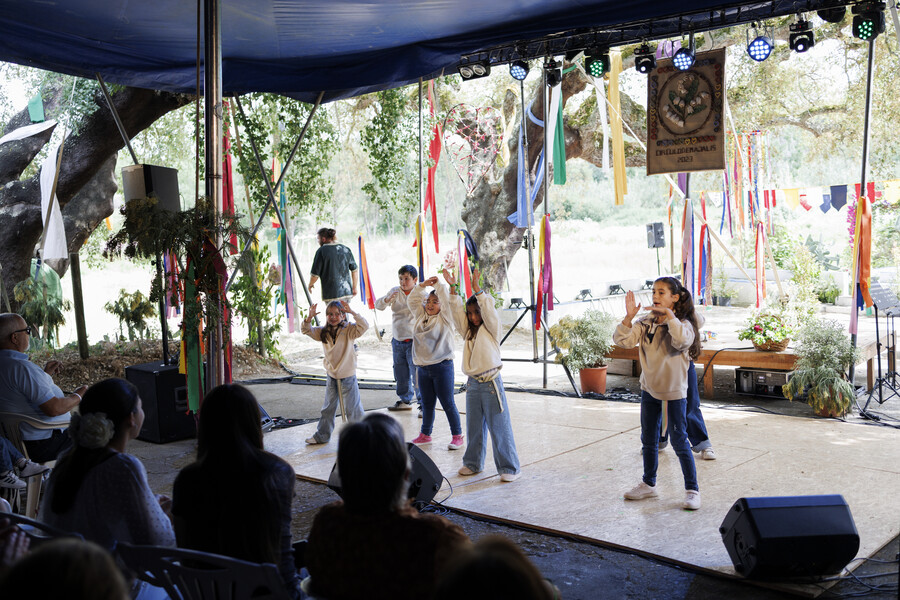
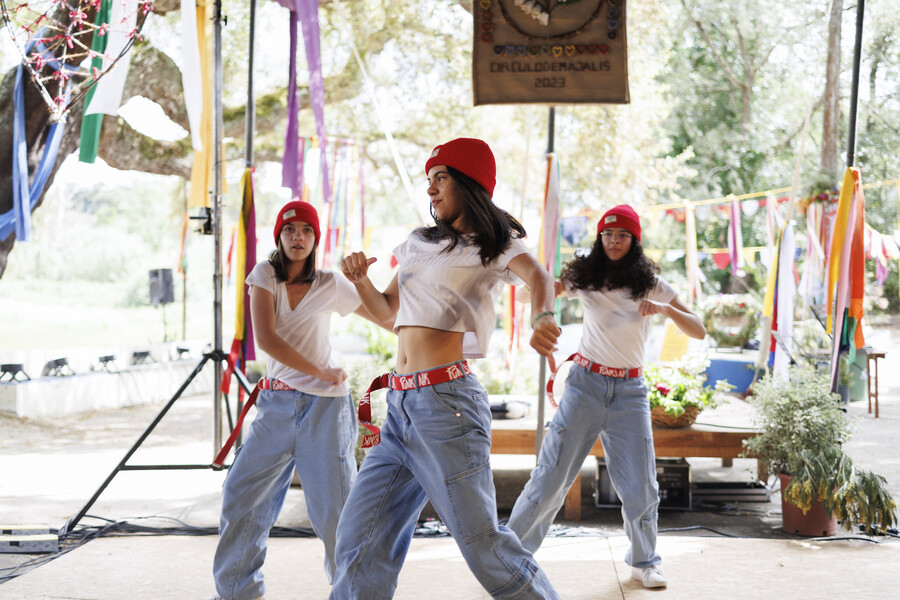
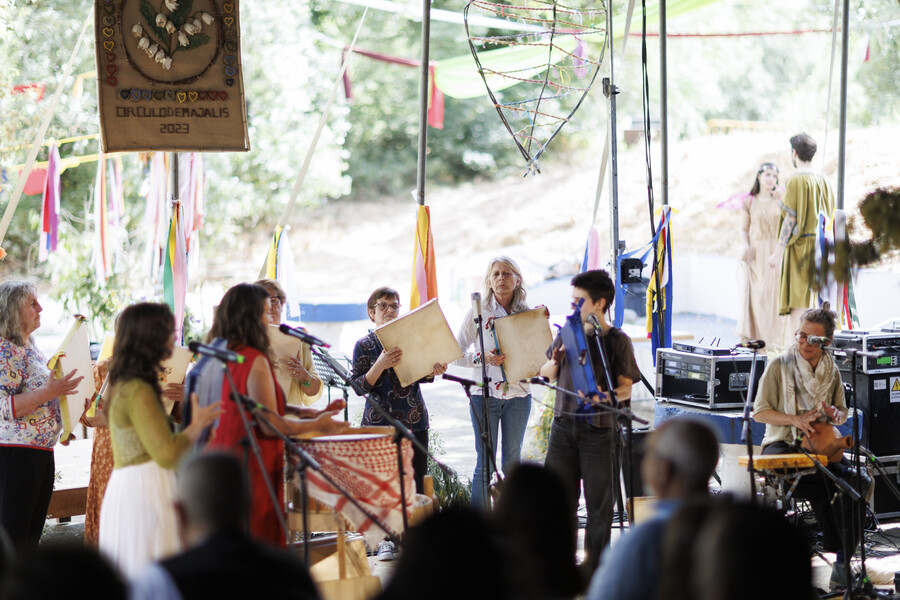
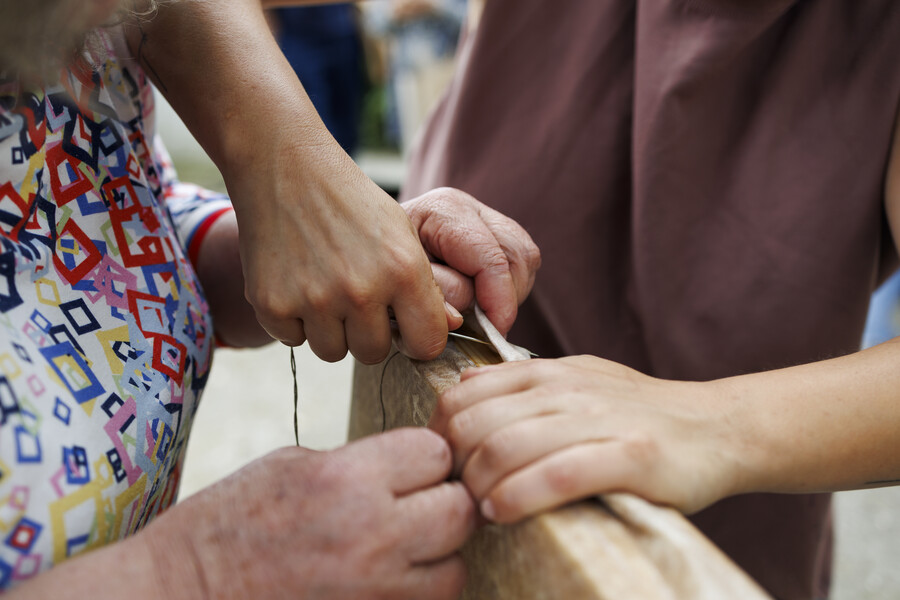
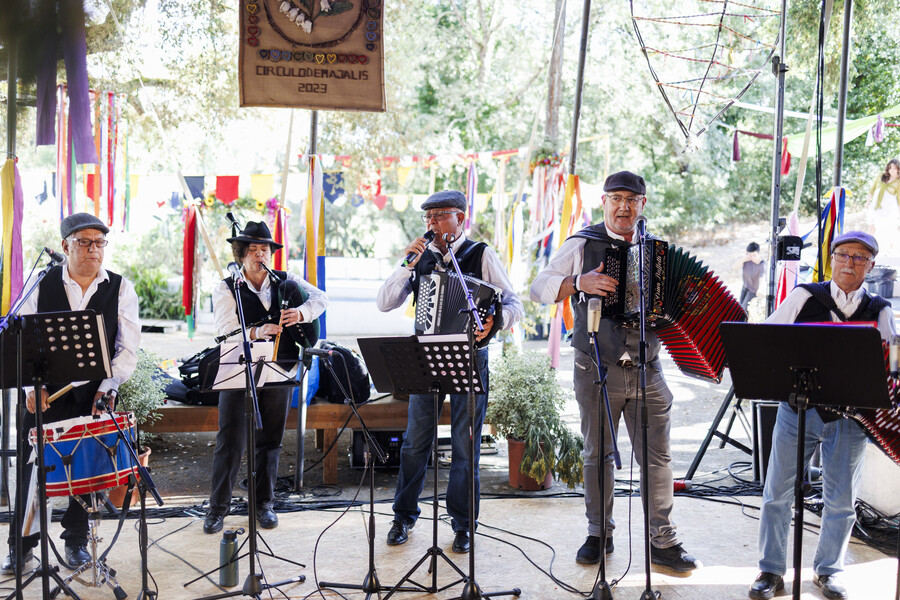
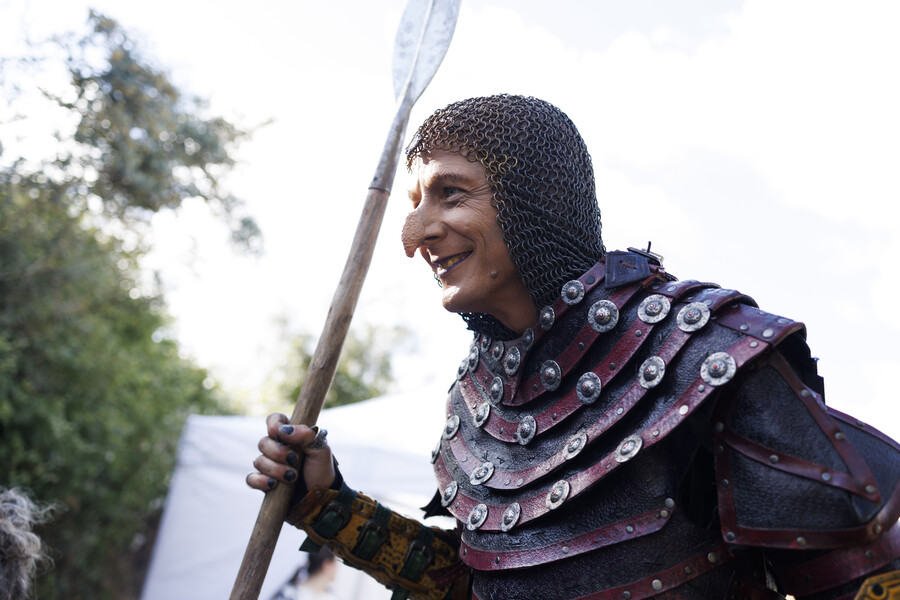
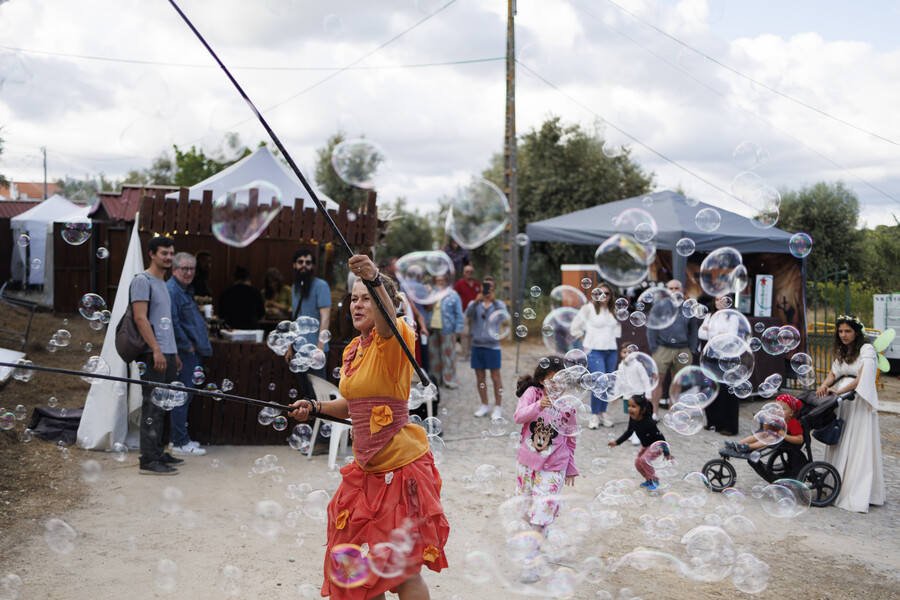
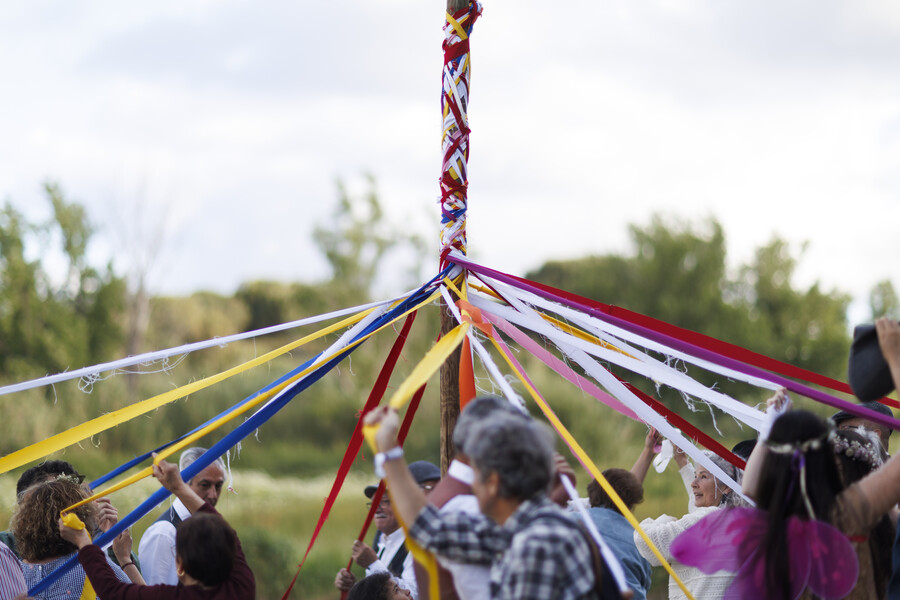
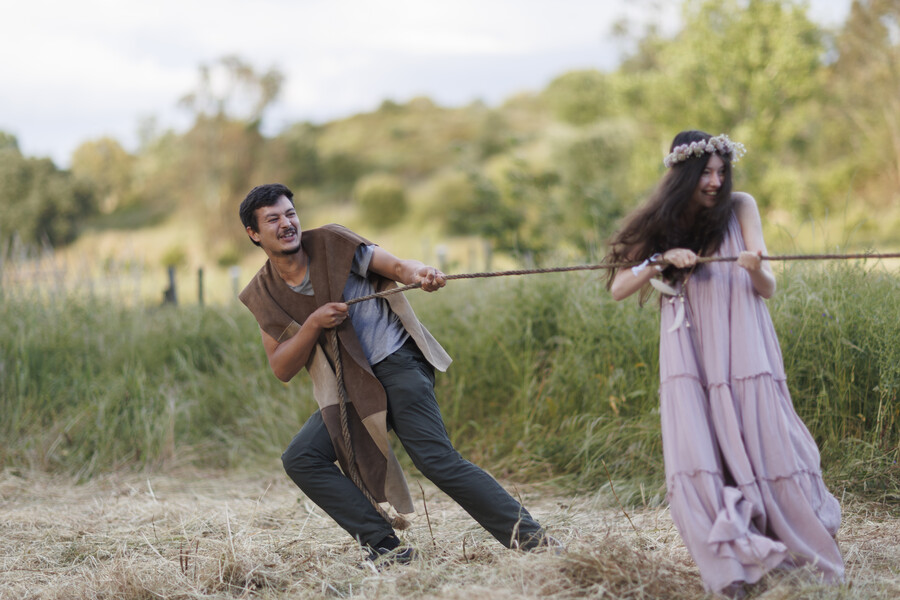
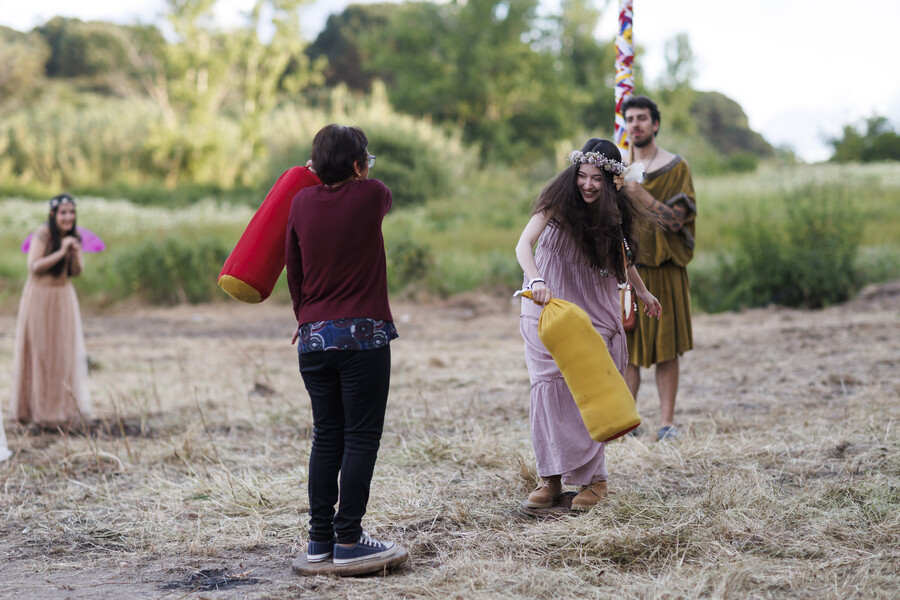
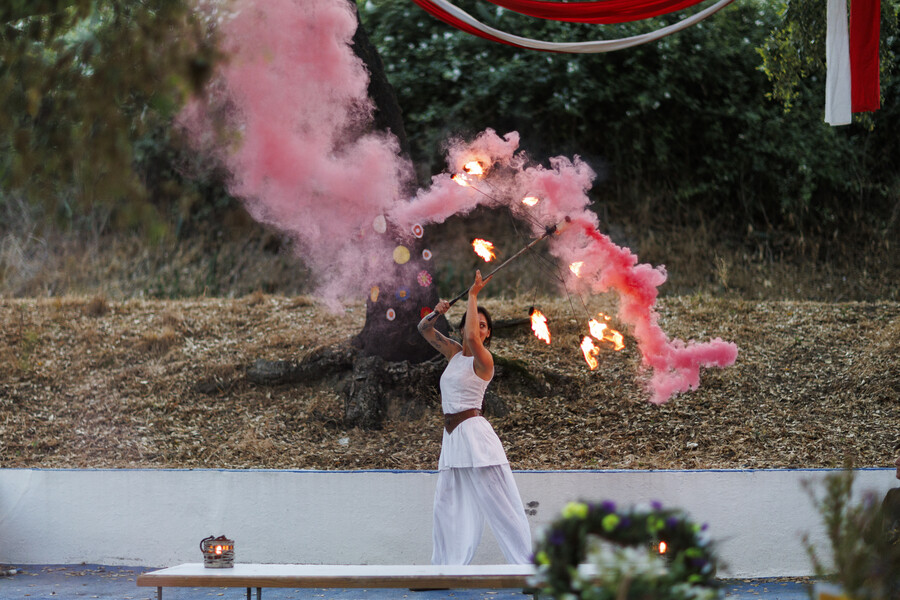
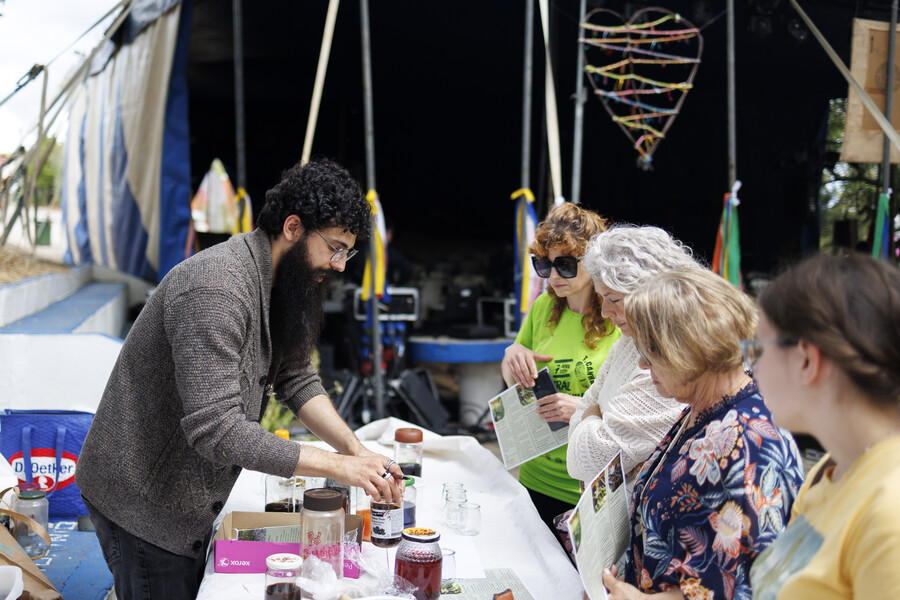
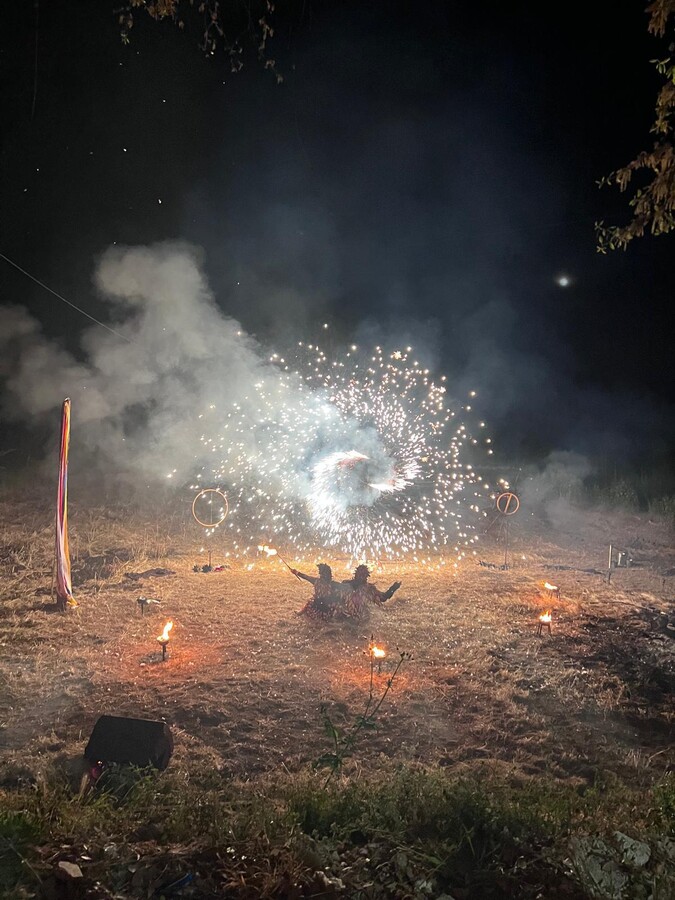
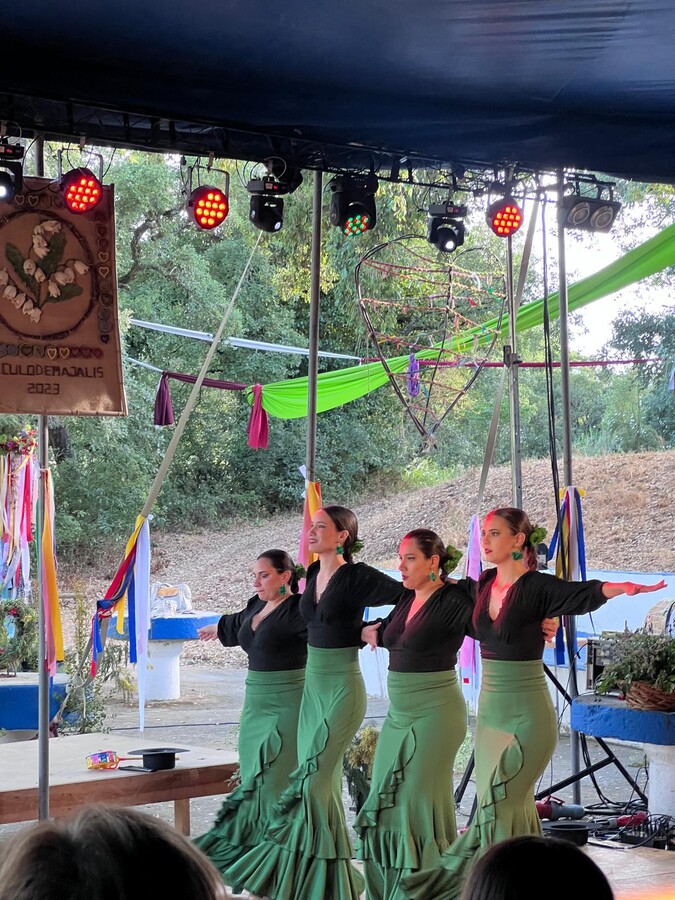
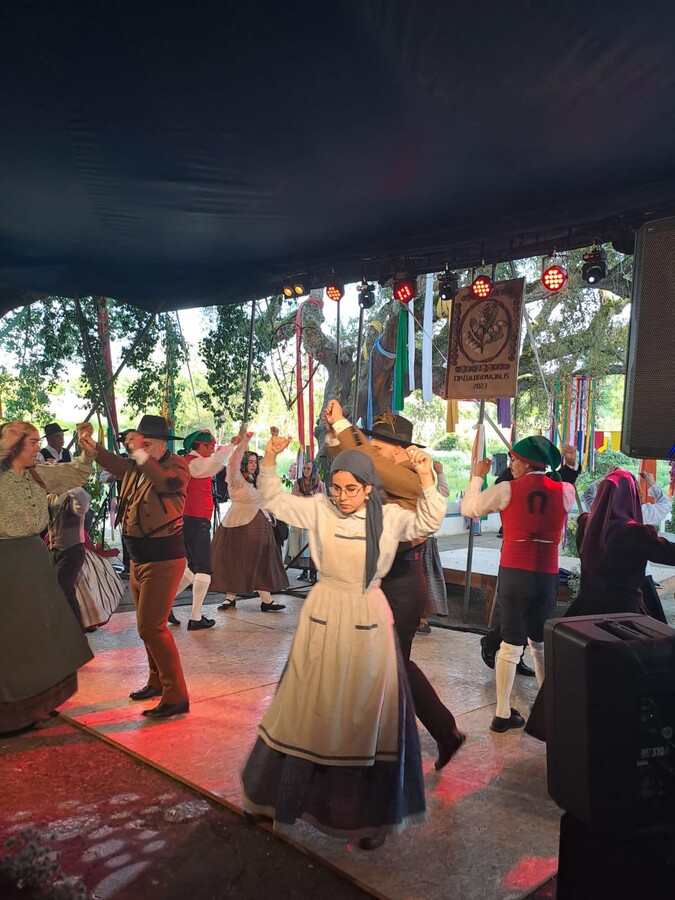
Photos by Bernardo Patarra
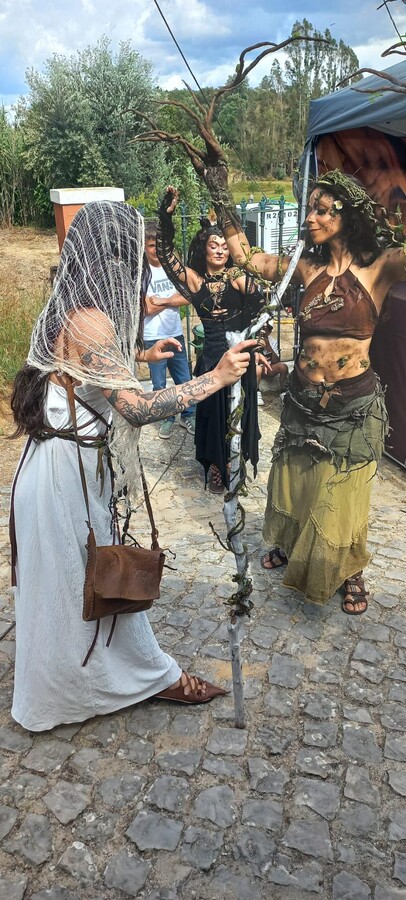
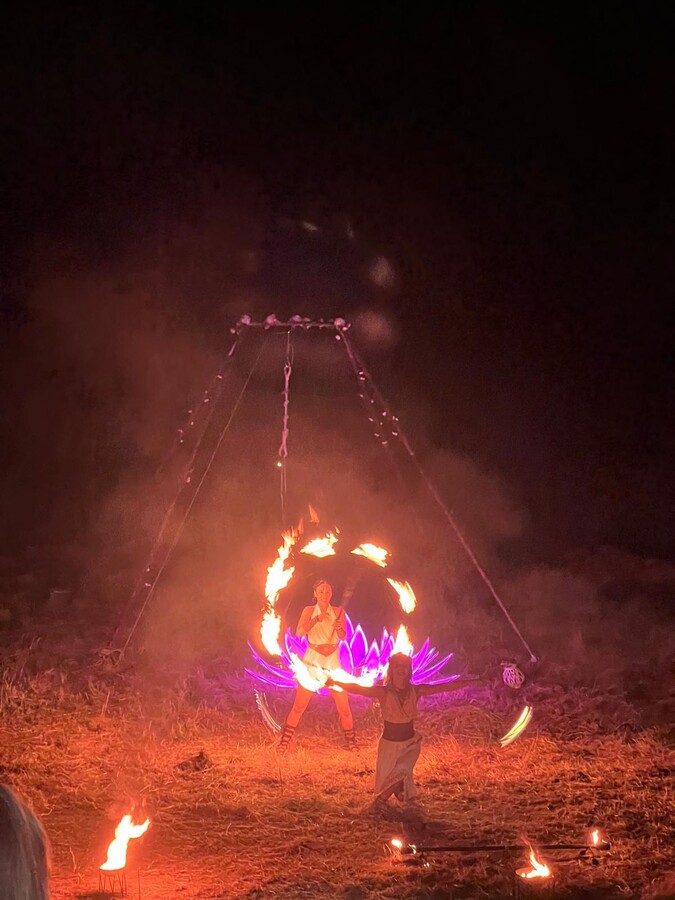
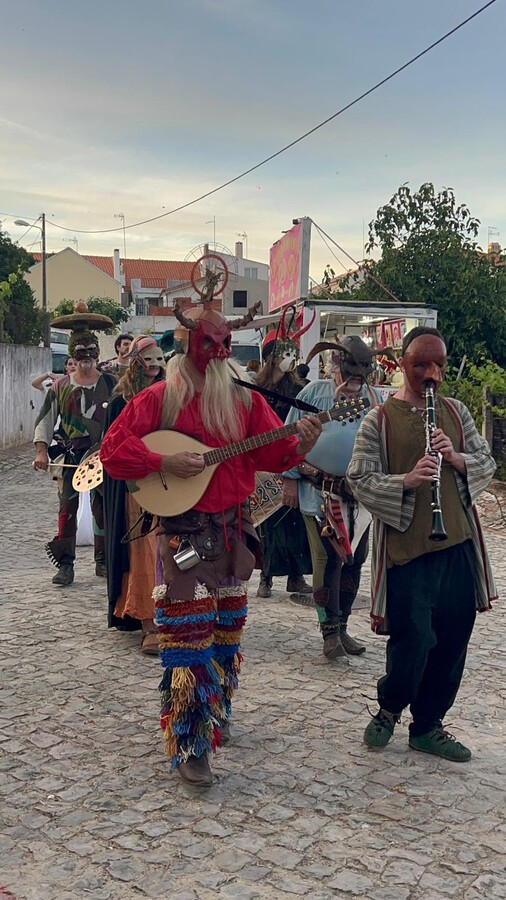
Below, some more impressions sent in by members of the audience:
Program
May 2 - Saturday
| Time | Event | Location |
|---|---|---|
| 3:00 PM | Opening of the themed market and taverns | Exterior |
| 3:00 PM | Workshop: singing, playing, and making adufes - CRUA - Part 1 (*1) | Bard’s Tent |
| 4:00 PM | Coroa de Alma: introduction to making decorative floral crowns (Inês Prata) | Exterior |
| 6:30 PM | “La Caña” Sevillanas performance (Iris Caldeira) | Bard’s Tent |
| 7:00 PM | Performance by the São Sebastião D.C. Folk and Ethnographic Group of the Parish of Canha | Bard’s Tent |
| 7:30 PM | Procession of the King and Queen of May | Exterior |
| 8:00 PM | Fire Ceremony at sunset (Pardeus and Arraya D’ollos) | Ancestral Woods |
| 9:00 PM | Theater “The Light of Belenos, the Sun God” by MagnaCosta | Bard’s Tent |
| 10:00 PM | Fire Theater “Souls of Fire” Show - Kinessis | Ancestral Woods |
| 10:30 PM | Pirotechnics Display - Kinessis | Ancestral Woods |
| 11:00 PM | Fire Show - Malatitsch | Ancestral Woods |
| 12:00 AM | Closing of the festivities | Exterior |
May 3 - Sunday
| Time | Event | Location |
|---|---|---|
| 10:00 AM | Opening of the themed market and taverns | Exterior |
| 10:00 AM | “Cores Selvagens”, short walk, and workshop - Alexandre Correia and Diogo Gomes (*1) | Exterior |
| 10:00 AM | Workshop: singing, playing, and making adufes - CRUA - Part 2 (*1) | Bard’s Tent |
| 11:00 AM | “Coroa de Alma” (All day), introduction to making decorative floral crowns - Inês Prata | Exterior |
| 3:00 PM | NonStop Crew - Joana Maia | Bard’s Tent |
| 4:00 PM | Adufes Performance - CRUA | Bard’s Tent |
| 5:00 PM | Orquestra de Concertinas Sinfonias - Professor Lucília Castanheiro | Bard’s Tent |
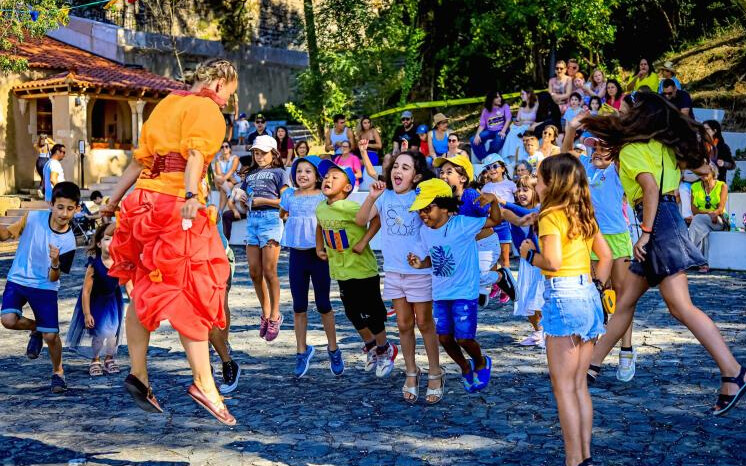
| 6:00 PM | Children Are Our Future, Theater Workshop - Kinessis | Ancestral Woods |
| 7:00 PM | The Celtaídas | Exterior |
| 8:30 PM | Majalis Anniversary Celebration | Bard’s Tent |
| 9:00 PM | Fire - Malatitsch | Ancestral Woods |
| 10:00 PM | Closing of the festivities | Exterior |
**1: Advance registration required: please purchase your tickets in advance by visiting the link above under Online Tickets.
Workshops and Activities
The Mother Moon Festival will feature several workshops. Find out more about each one below.
CRUA - Singing, playing, and making adufes
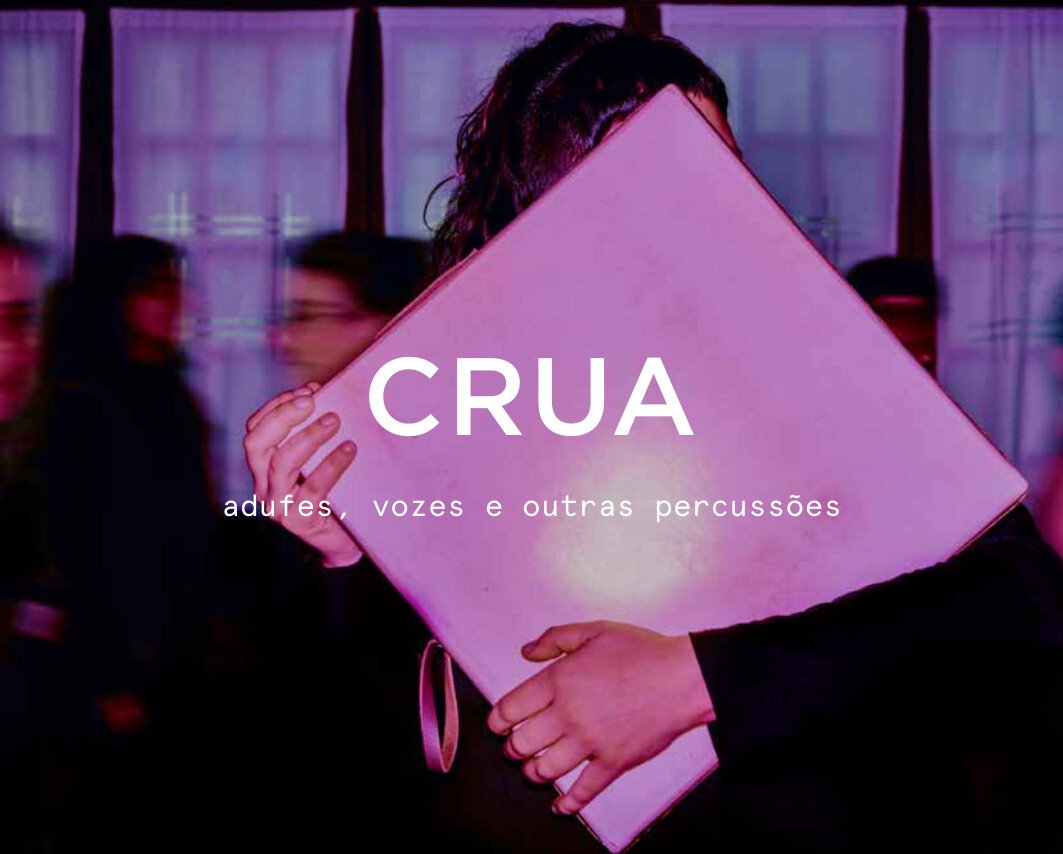
Singing and Adufe-Playing Workshops
Fun and artistic in nature, with a focus on traditional rhythms, the sharing of Iberian repertoire, and the interplay between voice and instrument.
Adufe-Making Workshops
The process of making an adufe, from the wooden hoops to the skin stitching and its decorations.
Adufe Show
Performance by the CRUA group with adufes, voices and other percussions.
Infos on the workshops
- May 2 (Part 1): starts at 3:00 p.m.
- May 3 (Part 2): starts at 10:00 a.m.
- Cost: €20 (you get to take your adufe home)
- Duration: 2 hours each day
- Maximum participants: 20
Cores Selvagens
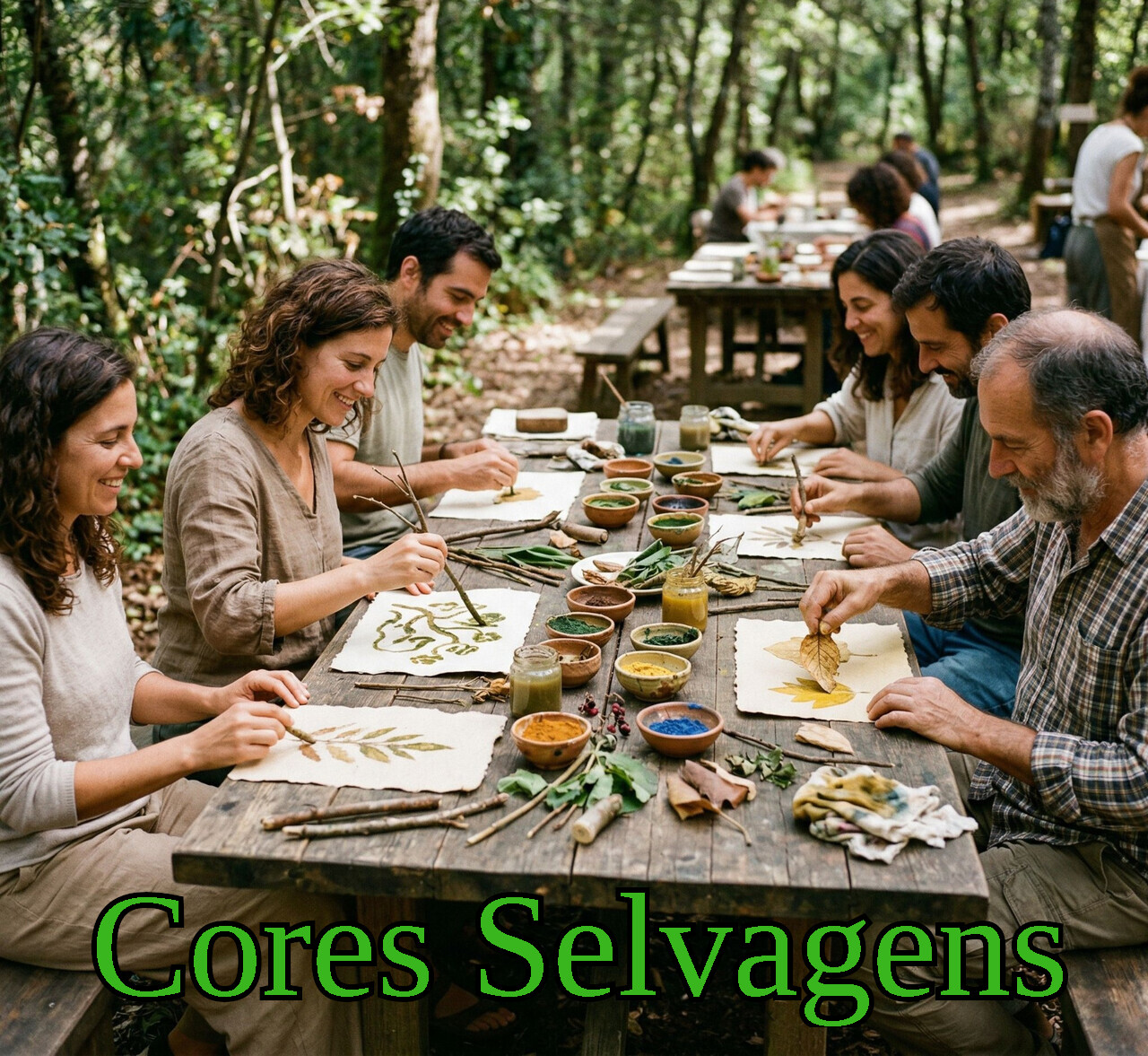
Hike with Workshop
The activity will begin with a short guided hike along a predetermined route, during which participants will be encouraged to interact with the surrounding habitat. During this hike, techniques will be demonstrated for collecting plant specimens without causing extensive damage to the plant or in a way that allows the plant to recover effectively. In the presence of invasive plants such as acacias, some control methods will also be demonstrated. Participants will also be encouraged to discuss the habitat and interactions between the different organisms in the ecosystem. The walk is expected to last 30 minutes.
Production of natural dyes and experimentation with the produced dyes
The next, more extensive phase of the activity will consist of a demonstration of how dyes are produced and how they behave when applied to paper. The dyes that require more preparation time will be produced in advance for use by the participants. During the phase of producing and using the dyes, information will be provided about the history of these plants (when they were used and introduced in the context of human history), the importance of the plants, and key concepts regarding the ecology and pigmentation of each species. The workshop on producing and experimenting with the dyes is expected to last 1.5 hours.
Infos
- May 3: starts at 10 a.m.
- Cost: €5
- Duration: 2 hours
- Maximum participants: 30
- Workshop led by Diogo Gomes and Alexandre Correia
Coroa de Alma
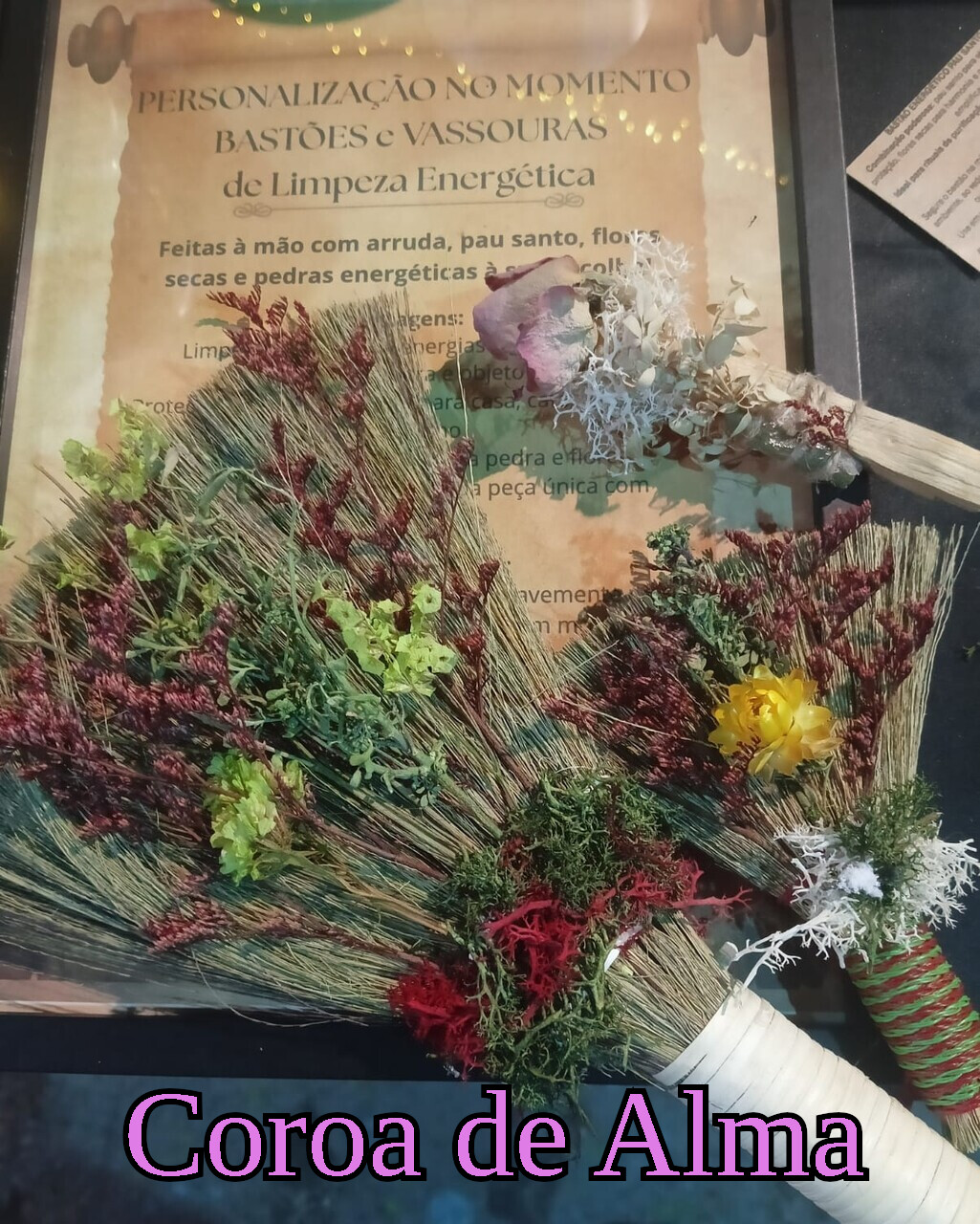
Come learn how to make your own flower crown with Inês Prata.
Infos
- May 2: starts at 4:00 p.m.
- May 3: starts at 11:00 a.m.
- Cost: €1 for those who bring their own materials (flowers, branches, ivy, etc.)
- Duration: all day
- Participant limit: open to everyone.
Malatitsch
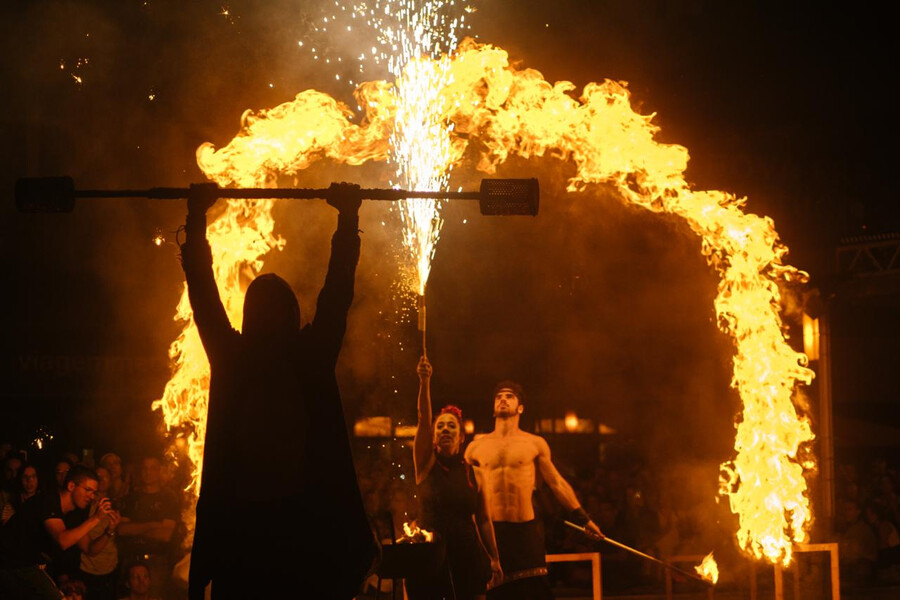
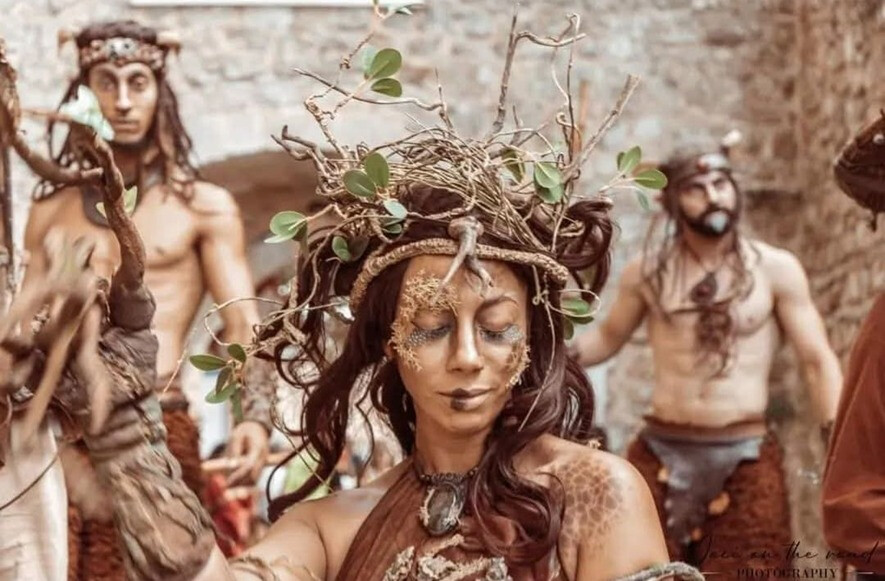
The strong presence of this well-known performing arts group takes us into the world of fantasy and mythology. Through the fusion of acrobatics, fire manipulation, masks, and live music, Malatitsch invokes the body as a vehicle for memory and transformation.
Kinessis
Souls of Fire - Fire Theater
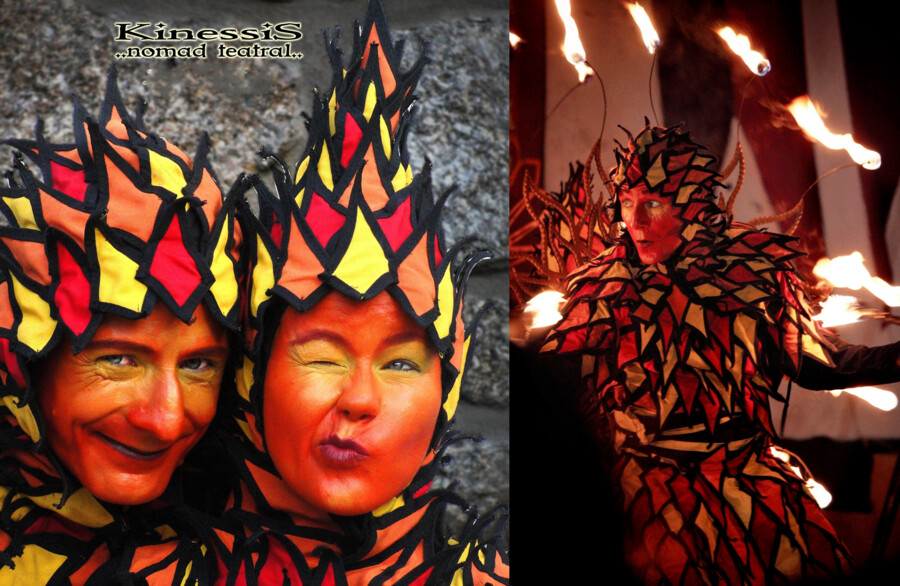
A theatrical performance where circus arts, magic, and fire bring two small flames to life.
Theater Workshop for Children
“A luz de Belenos, o Deus Sol” - Theater by MagnaCosta
A play by MagnaCosta, about Belenus, the Celtic god of the sun and fire, related to Beltane festivities.
Sunset Fire Ceremony
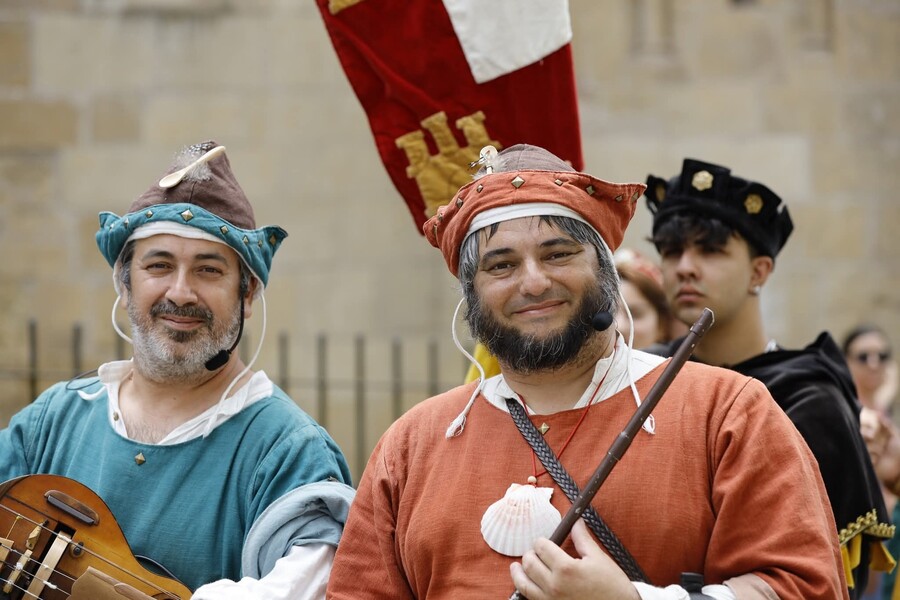
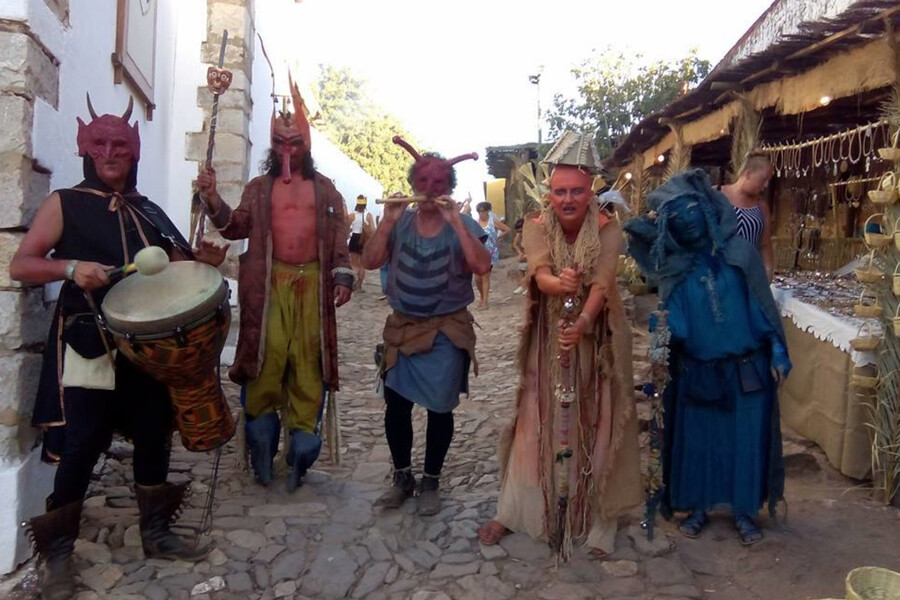
Street music shows associated with mysticism, featuring the groups Pardeus and Arraya D’Ollos.
Celtaídas - Traditional Games of Popular Nature
A set of traditional games of a popular nature, whose origin is lost in the mists of time, dating back to Celtic and Celtiberian cultures.
These skill and dexterity tests utilize simple everyday utensils, challenging participants to compete against each other with agility, ingenuity, and physical control. Using sticks, batons, logs, and ropes, each competitor seeks to demonstrate their physical abilities and creativity, with the goal of overcoming the proposed challenges.
Infos
- May 3rd: start at 7 p.m.
“La Caña” Sevillanas and Flamenco
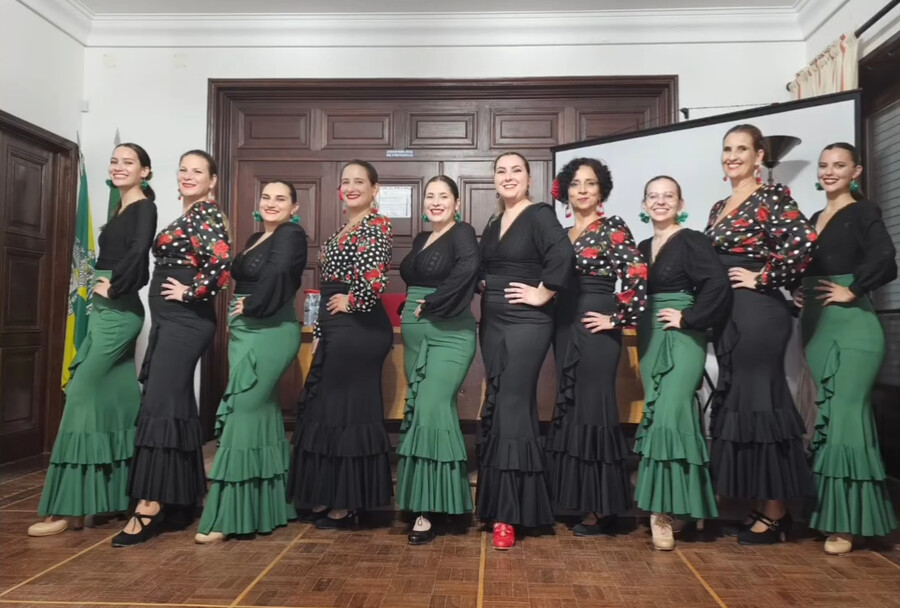
LA CAÑA is a young and ambitious group, committed with effort and dedication to learning flamenco since its foundation in 2009. It has been guided by Professor Íris Caldeira since 2013 and is currently based at the Taipadas Recreational and Cultural Society.
NonStop Crew with Joana Maia
Hip Hop and street dance group. Teacher and choreographer: Joana Maia
Folkloric and Ethnographic Group of São Sebastião D.C. from the Parish of Canha
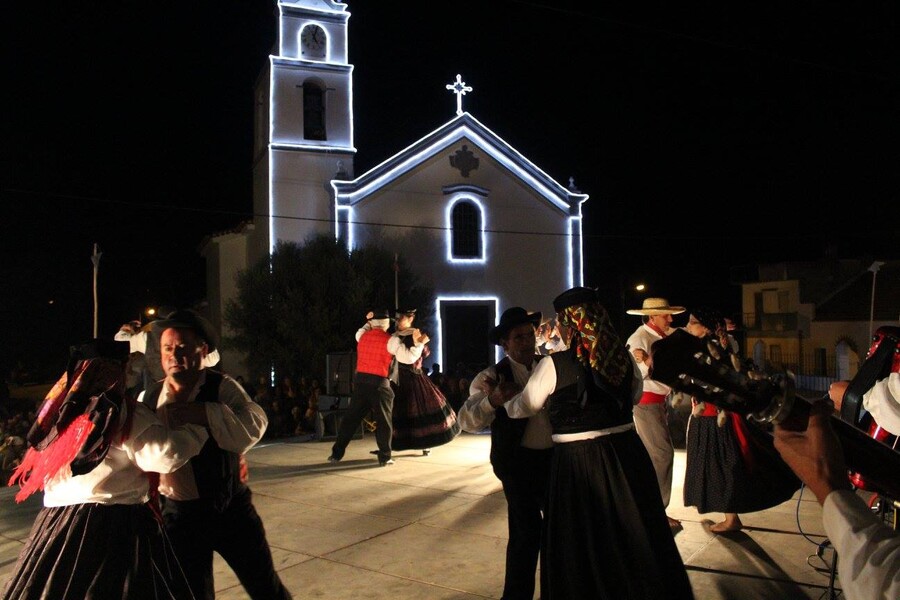
Founded on January 25, 2014, at the Santa Casa da Misericórdia de Canha, it brings together songs, dances, and ancestral traditions of the region.
Orquestra de Concertinas Sinfonias
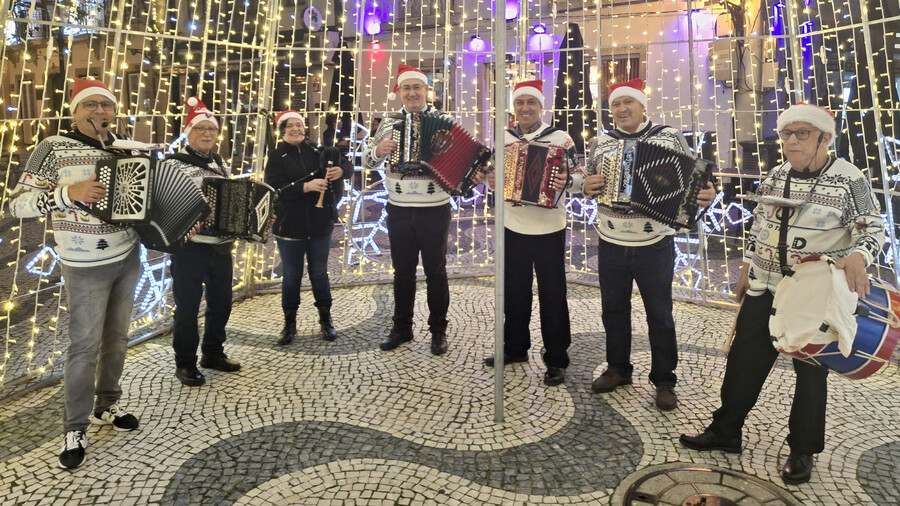
Directed by Professor Lucília Castanheiro, they belong to the group Sinfonias e Eventos Escola de Artes do Montijo.
How to reach us
Map
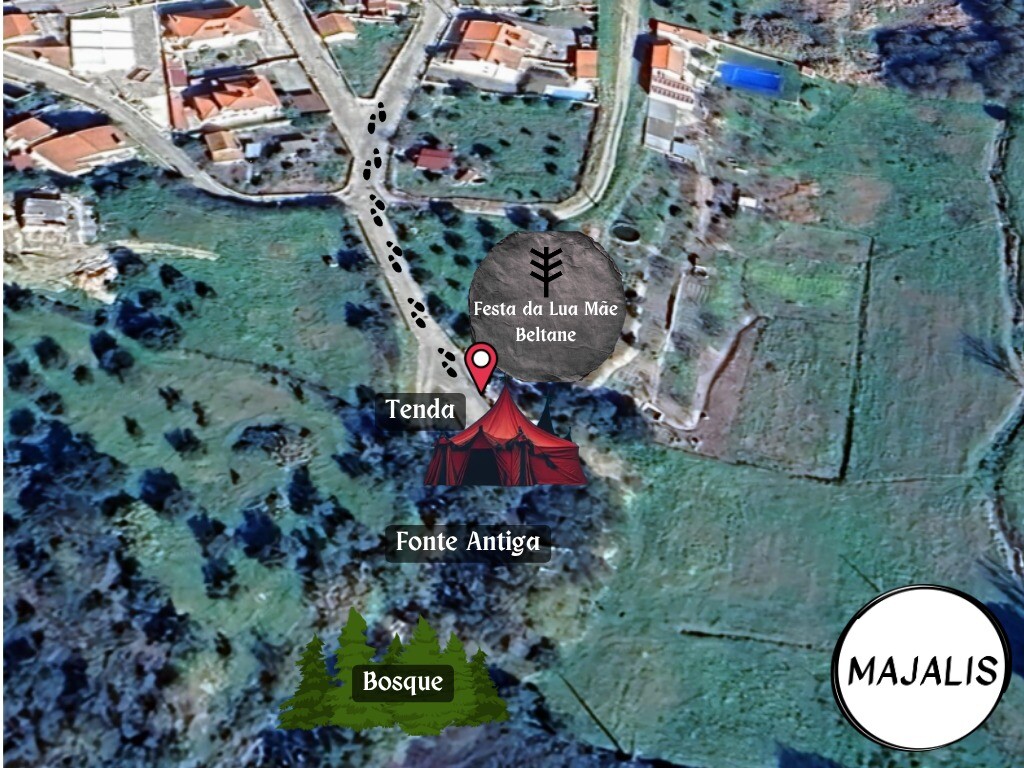
Public Transportation
For those coming from Montijo:
It is recommended to check the schedules before departing.
The Historical Context of Beltane
Let’s travel back in time and celebrate the ancient traditions of the Celts with the Beltane festival, when fire and the moon were honored in a ritual connecting people to the earth and the cycles of nature.
What is Beltane?
Beltane was one of the most important seasonal festivals in the Celtic calendar, marking the transition to the light half of the year. Traditionally celebrated in early May, it marked the peak of the earth’s fertility, the blooming of nature, and the beginning of the season of abundance. It fell between the spring equinox and the summer solstice, serving as a point of balance between growth and fullness.
For the Celtic peoples, this was a time of profound celebration of life and the vital energy that flows through all things. A celebration of the connection between the human and the natural, and a true threshold where the visible and invisible worlds came together.
An invitation to live in harmony with the pulse of the Earth.
The Beltane Fire
The rituals associated with Beltane were deeply connected to fire, which was considered a purifying and vital element.
The Beltane bonfires rose as living symbols of this creative energy. Jumping over the flames of the bonfires or crossing their boundaries was a symbolic gesture celebrating life and the union between humans, nature, and the sacred, invoking the Earth’s protection and abundance. A gesture of trust in the continuity of life, in an intimate dialogue with the forces of nature.
The Mother Moon
The Celts called the May full moon the “Mother Moon,” the Beltane period, which represented the peak of fertility, creativity, and abundance in nature, the moment when nature is most maternal, welcoming, and fertile, caring for the growth of life that began anew in spring.
In Celtic tradition, the Moon was understood as a manifestation of the maternal and protective principle that sustains the cycle of life and existence, a symbol of deep connection with nature and the sacred. Associated with fertility, transformation, and renewal, it signified the ancestral wisdom born from the experience of time.
The so-called Mother Moon of May represented the nurturing and cyclical aspect of the sacred feminine, the mother, guardian of the mysteries of life, transformation, and rebirth.
The Celtic Presence in the Iberian Peninsula
The Celts were ancient peoples who inhabited Central Europe, Ireland, and the British Isles during the Bronze Age and the Iron Age, centuries before Christ.
In the Iberian Peninsula, the Celtic presence is attested from at least the 8th century BC. The various waves of Celtic migrations resulted in coexistence and fusion with the local peoples, called Iberians, integrating a process of cultural fusion that gave rise to the people called Celtiberians.
These communities stood out for their agro-pastoral economy, their organization in fortified hillforts, their use of iron, and their religious practices linked to nature.
The Celtic influence in the Iberian Peninsula left lasting marks, visible in toponymy, linguistic elements, cultural traditions, and archaeological remains. As these peoples were progressively integrated or assimilated into the culture of Roman Civilization, their cultural and symbolic heritage prevailed until our times.
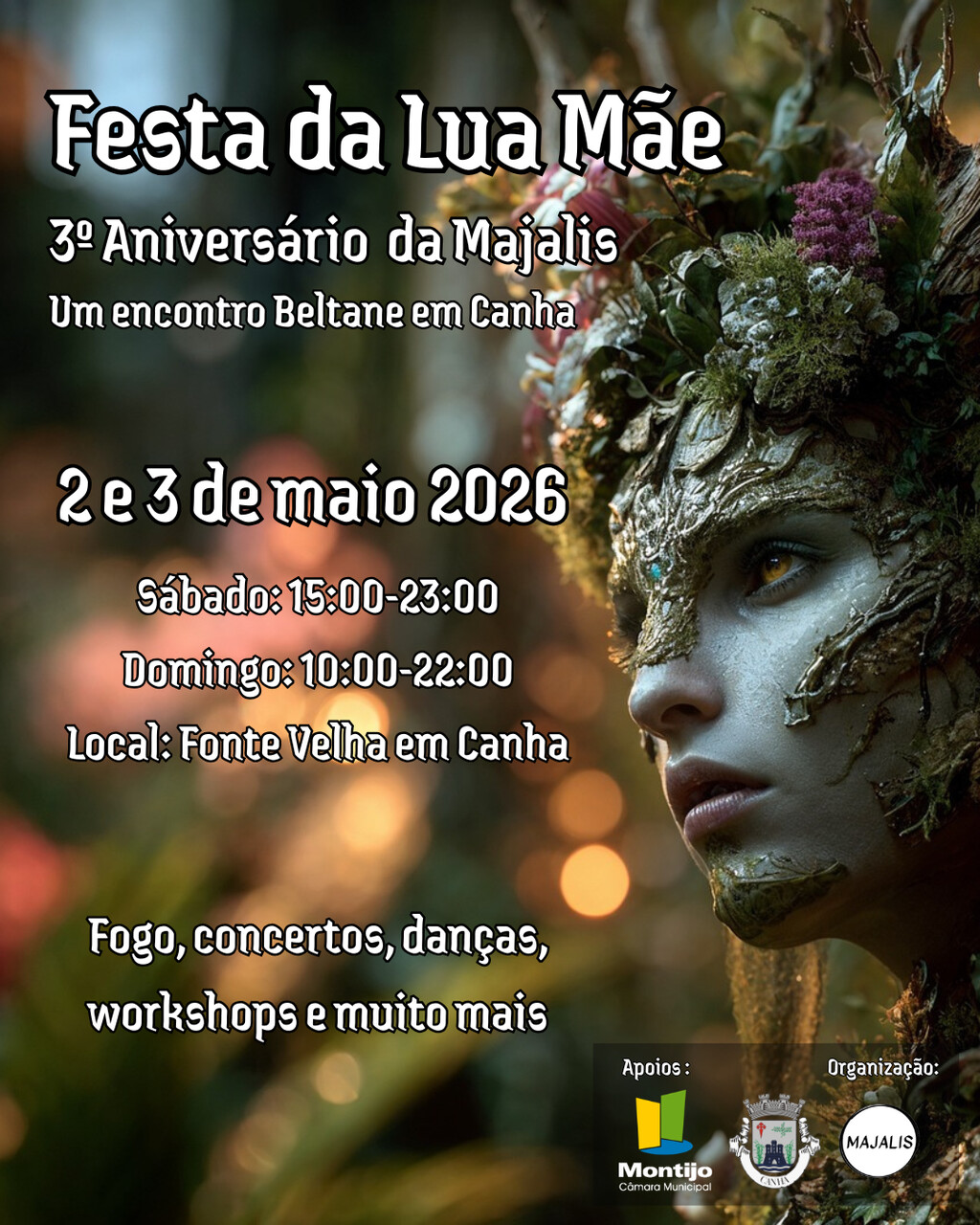
Poster for social networks
External Links
Some external articles on the Mother Moon Celebration: